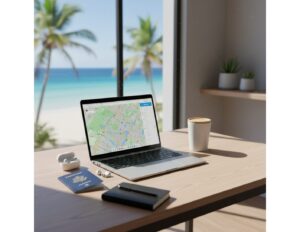
In the modern age of travel, staying connected is paramount for both leisure explorers and digital nomads alike. Smartphones, laptops, tablets, and wearables have become indispensable companions, essential for navigation, communication, entertainment, and work. As such, the importance of compact chargers for modern travellers cannot be overstated. These power-packed, lightweight devices ensure that your array of gadgets remains energized and ready for use regardless of where your journey takes you.
Travel presents unique challenges when it comes to keeping devices charged. Power outlets aren’t always accessible, especially in transit hubs like airports, trains, or outdoor locations such as campgrounds and remote areas. Varying power supply standards across countries introduce further complications that can leave your devices powerless at critical moments. Carrying bulky chargers adds weight and consumes precious luggage space, often becoming an inconvenience amid tight travel logistics. Additionally, the complexity of managing multiple cables and chargers for different devices complicates staying organized and ready.
Compact chargers solve many of these portability and convenience issues head-on. They are designed to be lightweight, small enough to fit easily into pockets, carry-ons, or even clothing, enabling hassle-free packing. Advances in technology have led to the proliferation of multi-port chargers and power banks, capable of fast-charging several devices simultaneously while adapting to device-specific power requirements. Many models incorporate foldable plugs, universal voltage support, and safety protections against overheating and overcharging, making them ideal for diverse travel scenarios.
Moreover, wireless compact chargers add a layer of connectivity freedom by eliminating tangled cords while maintaining efficient power transfer. Solar-powered compact chargers enable off-grid travel without sacrificing device use, supporting sustainable travel lifestyles. As modern travellers prioritize efficiency and space-saving solutions, essential compact chargers stand out as crucial accessories that empower continuous productivity, safety, and entertainment on the road.
Choosing the right compact charger tailored to your travel habits, devices, and destinations ensures you remain connected and prepared, transforming technical challenges into seamless, worry-free experiences.
Key Features of Essential Compact Chargers
Compact chargers have become indispensable tools for today’s travellers, combining convenience, efficiency, and reliability in small, portable packages. Understanding the key features that define the best essential compact chargers will help travellers select devices that fit their particular needs and ensure uninterrupted device power on the go.
Size and Weight
A fundamental attribute of any compact charger is its physical size and weight. Travellers prioritize chargers that are lightweight and pocket-friendly, often weighing under 200 grams with dimensions small enough to tuck into carry-on bags, backpacks, or even jacket pockets. Technological advances such as Gallium Nitride (GaN) semiconductors have enabled the miniaturization of chargers without sacrificing power output, resulting in sleek, ultra-compact designs that reduce packing bulk and maximize portability.
Charging Capacity (mAh Ratings)
For portable power banks, capacity determines how many charges a device can provide before needing a recharge. Capacities commonly range from 5,000mAh—suitable for quick device top-ups—to over 20,000mAh for multiple full charges of smartphones, tablets, or even laptops. Travellers decide on capacity based on trip duration, device energy demands, and the availability of power outlets during travel. Efficient internal circuitry and intelligent charging management maximize effective usable capacity.
Fast Charging Technologies (Power Delivery, Quick Charge)
Speed matters when power availability is limited. Modern compact chargers support fast-charging standards such as USB Power Delivery (PD), Qualcomm Quick Charge (QC), and equivalent proprietary protocols. These technologies deliver higher voltage and amperage safely, reducing full charge times and increasing usability in tight travel schedules. Chargers with USB-C PD often support bidirectional charging, enabling rapid charging of laptops and quick recharging of the charger itself.
Number and Types of Ports (USB-C, USB-A, Wireless)
Multiple output ports enhance device compatibility. Premium compact chargers feature at least two ports, often a mix of USB-C and USB-A, to accommodate newer and legacy devices simultaneously. Wireless charging capabilities further elevate convenience by allowing cable-free top-ups of smartphones and earbuds with compatible hardware. Some chargers also include integrated cables or retractable cords, simplifying cable management and access.
Durability and Build Quality
Travel demands robustness. The best chargers boast sturdy enclosures made from durable materials like high-grade plastics, aluminum, or composites. Resistance to impacts, heat, and wear extends the charger’s lifespan and reliability. Compact chargers designed for travellers also often include design features to prevent overheating, maintain stable voltage during load fluctuations, and withstand frequent plugging and unplugging.
Safety Features and Certifications
Peace of mind comes from chargers equipped with essential protective features—overcurrent, overvoltage, short-circuit, and thermal overload protection. Certifications such as UL, FCC, CE, and RoHS indicate adherence to stringent safety and environmental standards. Airline compliance marks ensure portable chargers meet regulations for carry-on luggage, preventing hassles at airport security.
Selecting compact chargers with these key traits ensures travellers enjoy the perfect blend of portability, power, speed, versatility, and safety. As charging needs evolve with new device ecosystems and travel patterns, focusing on these essential features simplifies buying decisions and enhances travel experiences.
Types of Compact Chargers
Today, travellers have a wide array of compact chargers available, each designed to meet different power needs, device compatibilities, and portability requirements. Understanding the main types helps travellers select the best charging solutions for their journeys and devices.
Wall Chargers with Multiple Ports (GaN Technology)
Gallium Nitride (GaN) wall chargers represent a breakthrough in compact charger design, enabling high power output in much smaller packages than traditional silicon-based chargers. GaN chargers deliver 30W to over 100W from wallets sized like small cubes, efficiently charging smartphones, tablets, laptops, and multiple devices simultaneously. Their fast charging capabilities and foldable plugs make them travel-friendly essentials. Multi-port designs with USB-C and USB-A outputs provide versatility, reducing the number of chargers needed in your pack.
Portable Power Banks (High Capacity vs. Compact Design)
Power banks remain vital for travellers who spend extended periods away from fixed power sources. Compact models between 5,000mAh and 10,000mAh are ideal for quick top-ups and lightweight travel, fitting in pockets or small bags. Higher capacity power banks (20,000mAh and above) support multiple charges of smartphones or laptops, perfect for longer trips or multi-device use. Newer power banks incorporate fast-charging protocols and smart power management to maximize efficiency and preserve battery health.
Wireless Charging Pads and Power Banks
Compact wireless chargers add convenience by eliminating cable clutter and enabling seamless charging for Qi-compatible devices. Portable wireless power banks integrate fast wireless charging with wired ports to simultaneously support various devices. Compact foldable or magnetic wireless chargers enhance portability while enabling users to charge devices on the go without unpacking cords.
Travel-Specific Adapters and Universal Chargers
Travel adapters designed for global journeys combine plug configurations for multiple countries with built-in chargers. These universal chargers often support multiple voltage inputs and include USB ports to charge multiple devices simultaneously. Advanced models incorporate foldable plugs and safety features protecting against voltage spikes and surges, ensuring compatibility and security worldwide.
Solar-Powered Compact Chargers
For adventurers who venture off-grid, solar-powered chargers provide renewable energy by harvesting sunlight. Modern solar chargers integrate efficient photovoltaic cells with battery storage, allowing charging during the day and power delivery anytime. Although solar charging speed depends on weather conditions, these chargers supplement other power sources and serve as vital backup options for remote or eco-conscious travellers.
By understanding these categories, travellers can mix and match compact chargers tailored to their trip length, device ecosystem, and location conditions—ensuring uninterrupted power and freeing themselves from cumbersome gear loads.
Top Essential Compact Chargers for 2025
Anker PowerPort III Nano (Best Ultra-Compact Wall Charger)
The Anker PowerPort III Nano stands out as one of the smallest and most powerful wall chargers available in 2025. Weighing just about 1.7 ounces with a footprint smaller than a standard credit card, it delivers fast 20W Power Delivery charging, making it ideal for smartphones, tablets, and even some laptops. Compact enough to fit in any travel bag or pocket, this charger minimizes bulk while ensuring your devices power up quickly during short layovers or busy travel days. Its foldable plug design adds convenience, and Anker’s reputation for safety features like surge protection provides peace of mind on international trips.
Satechi 4-Port USB-C Charger (Best Multi-Port Desktop Charger)
For travellers needing to charge multiple devices simultaneously, the Satechi 4-Port USB-C Charger offers exceptional versatility in a compact design. Supporting up to 120W total output via four USB-C ports, it efficiently powers laptops, tablets, smartphones, and other gadgets from a single outlet. Its foldable plug and travel-friendly size enable easy packing, while intelligent power distribution prioritizes devices for optimized charging speeds. This charger is perfect for digital nomads working from hotels or coworking spaces who want to minimize clutter while maximizing device readiness.
Nitecore NB10000 Gen 3 (Best Ultralight Power Bank)
The Nitecore NB10000 Gen 3 is an ultralight and highly efficient power bank specifically designed for travellers aiming to cut weight without sacrificing power capacity. Weighing just 5.3 ounces, it packs a 10,000mAh battery capable of charging modern smartphones two or more times. Featuring dual USB-C ports for flexible fast charging and pass-through ability (charging devices while it itself charges), it excels in backpacking and minimalist travel scenarios. Its robust carbon fibre shell adds durability, and a water resistance rating of IPX5 safeguards against rain exposure.
Zendure SuperMini 10000 (Best Budget Ultralight Power Bank)
For cost-conscious travellers, the Zendure SuperMini 10000 delivers excellent value without compromising essential features. This lightweight 10,000mAh power bank supports 20W USB-C Power Delivery charging and has a compact, rounded design that fits comfortably in hands or pockets. While more affordable than premium models, it still maintains solid build quality and fast charging capabilities suitable for smartphones and tablets. Its efficient size-to-capacity ratio makes it ideal for those who want reliable power on the go without a hefty price tag.
Belkin BoostCharge 3-in-1 (Best Wireless Combo Charger)
The Belkin BoostCharge 3-in-1 enhances charging convenience by combining wireless charging pads with wired ports in a single, compact, travel-friendly device. It supports 15W wireless charging for compatible smartphones and earbuds while including USB-C and USB-A ports for other devices. This combo station reduces cable clutter and offers seamless power delivery, whether at a hotel desk or airport lounge. Its compact footprint and stylish design make it a versatile charger for travellers valuing simplicity and functionality.
Together, these top essential compact chargers reflect the state-of-the-art in travel power solutions for 2025. Whether travellers need ultra-portable wall chargers, versatile multi-port hubs, ultralight power banks, budget-friendly options, or wireless charging combos, they can find reliable, efficient chargers tailored to their specific travel and device needs.
How to Choose the Right Charger for Your Travel Needs
Selecting the perfect compact charger for travel requires a thoughtful evaluation of your device needs, trip specifics, and charging preferences. Here are critical factors to consider when choosing the right charger that fits your travel style:
Assessing Device Compatibility and Charging Power Needs
Start by listing the devices you routinely use—smartphones, tablets, laptops, cameras, headphones—and note their charging specifications. Different devices require different wattages and voltage levels; for example, laptops generally need chargers supporting 60W or higher, while smartphones may suffice with 20-30W chargers. Ensure the charger supports your essential fast-charging protocols, such as Power Delivery (PD) or Qualcomm Quick Charge (QC), to maximize efficiency. Verify port types (USB-C, USB-A, wireless) match your device cables or consider adapters accordingly.
Balancing Capacity with Weight for Trip Length
The capacity of portable power banks is measured in milliamp-hours (mAh), indicating how many full charges the bank can provide. Short trips or day outings typically require 5,000-10,000mAh banks that are ultra-light and pocket-friendly. Extended travel or multi-day outdoor adventures warrant higher capacity banks, often between 20,000mAh and 30,000mAh, though these carry additional weight. Choose a capacity matching the length of your trip and the availability of power sources to avoid overpacking bulky batteries or risking power shortages.
Portability and Packing Considerations
Compact chargers excel by combining power with lightness and small size. Look for chargers utilizing GaN technology, which delivers high wattage in a smaller form factor. Foldable plugs, integrated cable designs, and multi-port setups reduce cable clutter and packing complexity. The charger’s size and weight should align with your luggage requirements and daily carry preferences, ensuring they don’t add unnecessary bulk or inconvenience.
Charging Speed Requirements and Convenience
Fast charging minimizes downtime—a key benefit during hectic travels. Chargers supporting USB Power Delivery up to 65W or more can rapidly power laptops and smartphones, freeing you from extended charging sessions. Multi-port chargers with smart power distribution adapt charging speed to connected devices dynamically, optimizing efficiency. Wireless charging adds convenience for compatible smartphones and accessories, but it typically charges more slowly than wired solutions, so balance convenience with speed needs.
Choosing a charger with the right combination of compatibility, capacity, portability, and speed tailored to your devices and travel routines assures seamless power management on the go, preventing battery anxieties and supporting uninterrupted connectivity.
Usage Tips and Best Practices for Travellers
Travelling with compact chargers requires a combination of smart habits and protective measures to ensure safe, efficient, and convenient device charging in diverse environments. Here are key usage tips and best practices that every traveller should follow.
Protecting Chargers During Travel
Always store chargers and power banks in protective cases or pouches to prevent physical damage such as scratches, dents, or cable strain. Avoid stuffing loose cables and chargers into bags without organization, as friction and bending can degrade cable integrity or damage connectors. Use reinforced charging cables that withstand frequent travel wear. Keep chargers away from liquids and extreme temperatures—never leave them in hot cars or exposed to rain.
Managing Cables and Accessories Efficiently
Organize cables using cable ties, velcro wraps, or dedicated tech pouches to keep them tangle-free and quickly accessible. Group cables by type and length to simplify packing and retrieval. Consider multi-port cables with detachable adapters to reduce the number of individual cords you carry. Update your travel charging kit regularly to replace worn cables and remove obsolete accessories.
Charging Etiquette and Optimizing Charging Times
When charging in shared spaces like airports, hotels, or coworking spaces, always carry a portable charger to minimize your time occupying outlet space. Be mindful of others’ charging needs and avoid plugging multiple devices if others await access. Charge devices during downtime (e.g., flights, meals) to maximize efficiency.
When possible, power banks should be charged fully overnight, but older batteries should not be overcharged. Devices should be unplugged once fully charged to preserve battery health and charger longevity. Smart charging features should be used where applicable to balance speed with device care.
Power Management While Flying
Adhere to airline regulations regarding battery capacity and portable chargers. Keep power banks in carry-on luggage rather than checked bags, stored in easy-to-access compartments during security screening. Ensure chargers and power banks comply with watt-hour limits, and label capacity clearly if required.
Consider airline-specific rules on lithium-ion batteries and travel with chargers that have passed relevant safety certifications. Store chargers with safety in mind, avoiding short circuits caused by loose items like keys or coins.
Following these best practices extends the lifespan of your compact chargers, maintains device safety, and ensures smooth, uninterrupted power access during your adventures. Smart habits transform compact chargers into reliable travel companions integral to modern connectivity.
Future Trends in Compact Charging Technology
The rapid evolution of charging technology continues to transform how travellers power their devices, making essential compact chargers even more efficient, versatile, and sustainable. Here are the key future trends shaping compact chargers in 2025 and beyond:
Advances in GaN and Fast Charging
Gallium Nitride (GaN) technology is revolutionizing compact charger design by enabling higher power output in smaller, cooler-running, and more energy-efficient devices. GaN chargers deliver rapid charging for multiple devices simultaneously from ultra-compact footprints, perfect for travellers juggling smartphones, tablets, laptops, and accessories. The rise of Power Delivery 3.1 and fast-charging protocols, pushing wattages up to 240W or more, allows for more seamless and shorter charging sessions. Retractable cables, foldable plugs, and modular designs further boost portability and convenience.
Integration with Smart Home and IoT Devices
Emerging chargers increasingly connect with smart home ecosystems and Internet of Things (IoT) platforms. This integration allows users to monitor charge status remotely, schedule charging during low-power periods, and automate power distribution across devices for energy efficiency. Such smart charging systems optimize battery health through adaptive charge rates and create interconnected workflows aligning personal and home energy usage. IoT-enabled chargers also provide insights for informed usage habits and remote troubleshooting, promising a more personalized and sustainable travel experience.
Sustainable and Eco-Friendly Charger Designs
Environmental consciousness drives the demand for eco-friendly compact chargers. Trends include the use of recycled and biodegradable materials, reduced power wastage during idle states, and longer product lifespans through modular, repairable construction. Solar-powered compact chargers are gaining popularity, delivering off-grid renewable power, ideal for eco-conscious outdoor travellers. Growing regulatory pressures and consumer preferences are pushing manufacturers towards greener production and energy-saving technologies, making sustainable chargers a prominent part of future travel gear.
Conclusion
Essential compact chargers have become indispensable companions for modern travellers. They provide reliable and efficient power solutions that keep devices charged and functional anywhere in the world. Their portability, fast-charging capabilities, and versatile multi-port designs ensure travellers can maintain connectivity and productivity without added bulk or hassle. Beyond convenience, safety certifications and durable construction make these chargers trustworthy tools in diverse travel environments.
Recognizing the variety of chargers available—from ultracompact wall chargers to powerful portable power banks and wireless combo devices—travellers can tailor their power solutions to match their personal habits, trip duration, and device ecosystem. Thoughtful investment in quality compact chargers not only protects valuable electronics but also streamlines packing and optimizes travel experiences.
Ultimately, selecting an essential compact charger that aligns with your unique travel needs enhances your ability to stay connected, informed, and prepared throughout your journeys. By balancing performance, portability, and safety, travellers transform charging challenges into seamless opportunities to power adventure, work, and exploration. Investing wisely in these key accessories lays the foundation for confident, carefree travel in an increasingly interconnected world.